
From Stress to Snapping: Work Burnout
Written by Kieran Mountney, Integrative Counsellor, Wadebridge, Cornwall
If you find yourself frequently losing your temper over tiny things at home—like a messy kitchen, a loud toy or a minor delay—the chances are it has very little to do with the actual messy kitchen. It is much more likely that your professional life is draining your internal battery to absolute zero, leaving you with absolutely nothing left for the people who matter most. When you are constantly redlining at work, your nervous system completely loses its natural resilience. You become trapped in a permanent survival state, where every minor domestic inconvenience feels like a massive, immediate threat to your safety, triggering an instantaneous defensive reaction.
Reclaiming Your Even Keel
You absolutely should not have to sacrifice your long-term mental health or your family's daily peace of mind just to sustain your career. Burnout is not a sign that you are not tough enough; it is a clear, undeniable sign that your current work system is completely unsustainable. Together, we can look closely at how you handle professional pressure, explore your relationship with work and identify the boundaries that have broken down. We will build practical strategies to help you leave work stress at the door, effectively reset your nervous system and protect your personal energy so you can actually enjoy the life you are working so hard to build.
We address the compulsion to always say yes to more responsibility and the anxiety that prevents you from delegating tasks. By establishing a clear separation between your professional identity and your personal life, you allow your body and mind to genuinely decompress. This structured approach to stress management helps restore your patience, vitality and cognitive clarity.

What does this mean for you and your family?
By actively beating burnout, you reclaim your evenings and weekends. You transition smoothly from a pressured professional into a present, attentive father and partner, creating a calm, welcoming atmosphere at home. Your family gets to experience your humour, warmth and guidance rather than just receiving the leftover scraps of your energy.
Your performance at work often improves as a result, because a rested, balanced mind operates with far greater efficiency and creativity than one driven by chronic exhaustion. Most importantly, you safeguard your future health, ensuring you do not trade your well-being for professional validation. You build a life where success is measured by the quality of your relationships and your peace of mind.
If any of this sounds familiar, you don't have to work it out alone. I offer a free initial conversation to see if we're a good fit, no commitment, no pressure. Get in touch today.

What does this mean for you and your family?
Reading through these educational resources is an excellent initial step, but you do not have to try and figure it all out in total isolation. True behavioural change requires more than just understanding the theory; it requires the development of practical, real-world skills that you can deploy when the pressure starts to mount. The coping strategies that actually stick are the ones we build together, tailored specifically to your unique life, your daily environmental triggers and your personal goals. Taking the initiative to address these challenges head-on protects your long-term health and ensures that you can show up fully for the people who rely on you every single day.
If any of this sounds familiar, you don't have to work it out alone. I offer a free initial conversation to see if we're a good fit, no commitment, no pressure. Get in touch today.
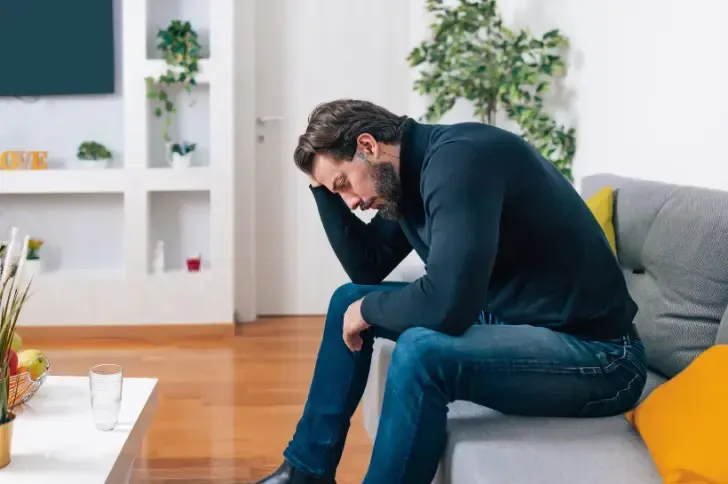
Frequently Asked Questions About Loneliness
How can counselling help me manage my loneliness?
Counselling provides a supportive space where you can explore triggers, learn coping mechanisms, and develop healthier ways to engage with others, resulting in improved relationships and overall well-being.
Does counselling help with chronic isolation?
To manage loneliness, consider using techniques like joining local interest groups, volunteering, and finding healthy ways to express your feelings. If isolation is persistent or causing emotional distress, seeking professional help from a counsellor can provide effective strategies for understanding and managing your social health.
What are the signs of chronic loneliness?
Signs of deep isolation include frequent irritability, difficulty controlling negative self-talk, and negative impacts on your mental health and overall well-being. These signs can manifest as constant social avoidance, a low tolerance for superficial talk, and intense feelings of emptiness.
Why do I feel so disconnected from others so easily?
You may experience loneliness quickly due to past social rejections, life changes like relocation, or difficulty expressing vulnerability in healthy ways. Isolation often masks deeper needs, such as a desire to feel heard, accepted, or secure. Understanding your triggers and learning coping strategies can help you respond more calmly and confidently. As an experienced loneliness counsellor and therapist, I can help you with these issues.
Can a man struggling with isolation change his social patterns?
Yes—change is absolutely possible. Loneliness patterns often stem from protective habits that feel automatic, but with the right support, they can be understood and reshaped. As an experienced counsellor, I work with clients to uncover the triggers behind their avoidance, develop healthier social boundaries, and build confidence in handling difficult interactions. With structured weekly plans, lasting change becomes achievable.
Get in touch now
And we can begin to tackle the troubles in your life. You can contact me on; 07851512049. You can also contact me via email; [email protected] or if you prefer to use Whatsapp, you can contact me by clicking the Whatsapp button on the right hand side of the page.
We're social!
Contact or connect with me on Instagram, Facebook or Linkedin.