
5 Physical Signs Your Anger Is a Problem
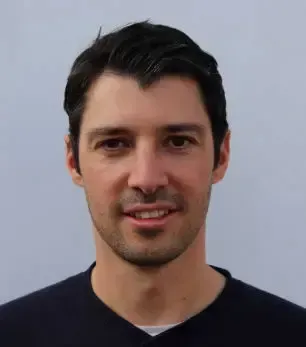
Written by Kieran Mountney, Integrative Counsellor, Wadebridge, Cornwall
Anger does not just happen inside your head it happens directly inside your physical body. Before you even consciously realise you are angry, your nervous system is often already deeply trapped in a 'fight or flight' survival mode. This biological response triggers a massive cascade of hormones designed to prepare you for battle, shifting resources away from logical thinking and directly into physical defence. Learning to recognise these early physical warning signs is the crucial first step toward taking back complete control of your behaviour.
Muscle Tension: Do you notice your jaw is constantly clenched, your fists are tightly balled or your shoulders are hiked up toward your ears throughout the working day?
Racing Heart: Notice that sudden, intense spike in heart rate and rapid breathing during a minor daily frustration.
'Brain Fog' or Blanking Out: When you feel so flooded with adrenaline that you genuinely cannot think clearly, lose
Listening to Your Warning Signals
If these physical signs feel deeply familiar to you, it absolutely does not mean you are a bad person. It simply means your body is trying to signal that its internal system is completely overwhelmed by the pressures of your environment. When your nervous system redlines, logic goes out the window, and that is usually exactly when the explosive outbursts happen. Your brain essentially gets hijacked by its primal survival centres, overriding your values and your common sense.
Counselling can help you understand what is driving these intense physical responses. We learn to spot the psychological smoke before the fire starts, giving you the valuable time and space to choose how you want to respond rather than just blindly reacting to stress. Through targeted somatic awareness and grounding techniques, you can learn to soothe your nervous system, lowering your baseline tension and extending your fuse significantly.

What does this mean for you and your family?
When you can successfully catch your physical reactions early, you prevent the painful, cyclical arguments that leave everyone in your household feeling isolated and emotionally exhausted. Instead of allowing the adrenaline to dictate your behaviour, you learn to step away, reset your body and handle challenging situations with total composure. Your home transforms from a high-stress environment into a place of peace.
For your partner and your children, this change brings an immense sense of emotional safety. They no longer have to scan your body language for signs of impending anger or walk on eggshells to avoid an explosion. By mastering your physical responses, you model healthy self-regulation, showing your family that it is entirely possible to feel strong emotions without losing control.
If any of this sounds familiar, you don't have to work it out alone. I offer a free initial conversation to see if we're a good fit—no commitment, no pressure. Get in touch today.
Frequently Asked Questions About Loneliness
How can counselling help me manage my loneliness?
Counselling provides a supportive space where you can explore triggers, learn coping mechanisms, and develop healthier ways to engage with others, resulting in improved relationships and overall well-being.
Does counselling help with chronic isolation?
To manage loneliness, consider using techniques like joining local interest groups, volunteering, and finding healthy ways to express your feelings. If isolation is persistent or causing emotional distress, seeking professional help from a counsellor can provide effective strategies for understanding and managing your social health.
What are the signs of chronic loneliness?
Signs of deep isolation include frequent irritability, difficulty controlling negative self-talk, and negative impacts on your mental health and overall well-being. These signs can manifest as constant social avoidance, a low tolerance for superficial talk, and intense feelings of emptiness.
Why do I feel so disconnected from others so easily?
You may experience loneliness quickly due to past social rejections, life changes like relocation, or difficulty expressing vulnerability in healthy ways. Isolation often masks deeper needs, such as a desire to feel heard, accepted, or secure. Understanding your triggers and learning coping strategies can help you respond more calmly and confidently. As an experienced loneliness counsellor and therapist, I can help you with these issues.
Can a man struggling with isolation change his social patterns?
Yes—change is absolutely possible. Loneliness patterns often stem from protective habits that feel automatic, but with the right support, they can be understood and reshaped. As an experienced counsellor, I work with clients to uncover the triggers behind their avoidance, develop healthier social boundaries, and build confidence in handling difficult interactions. With structured weekly plans, lasting change becomes achievable.
Get in touch now
And we can begin to tackle the troubles in your life. You can contact me on; 07851512049. You can also contact me via email; [email protected] or if you prefer to use Whatsapp, you can contact me by clicking the Whatsapp button on the right hand side of the page.
We're social!
Contact or connect with me on Instagram, Facebook or Linkedin.